


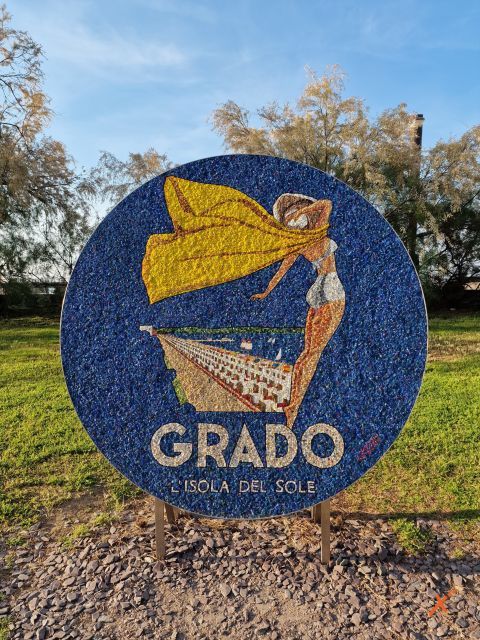

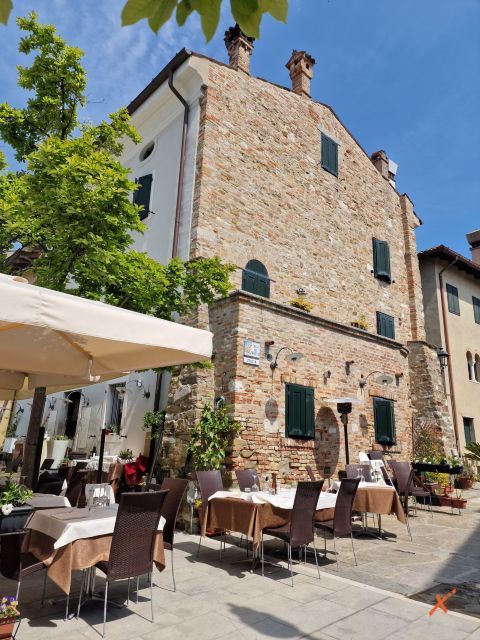
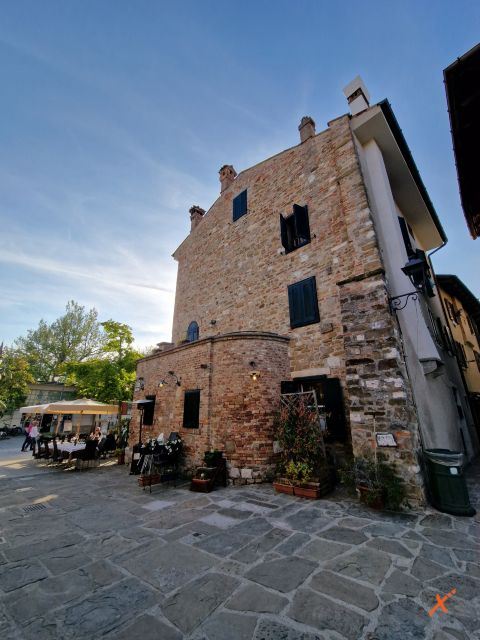
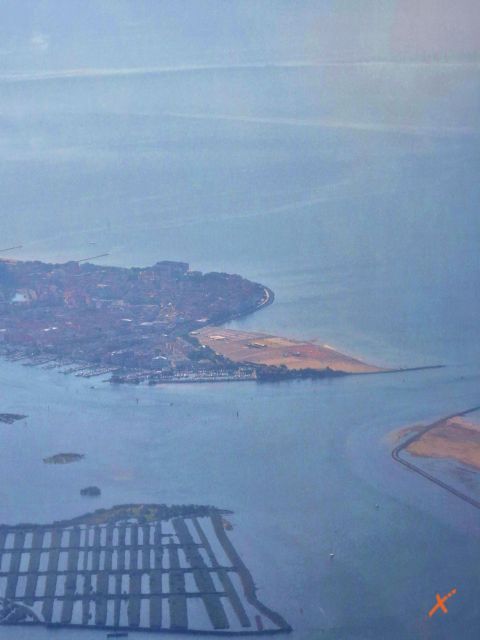
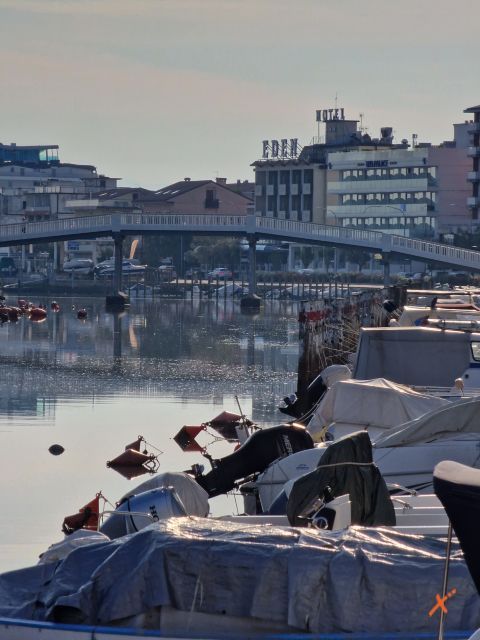
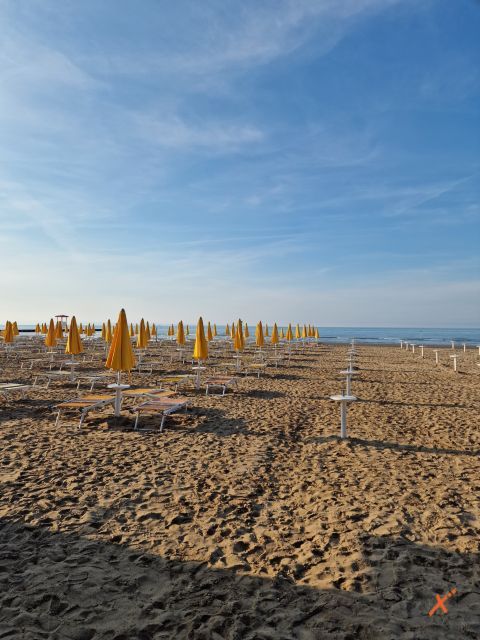
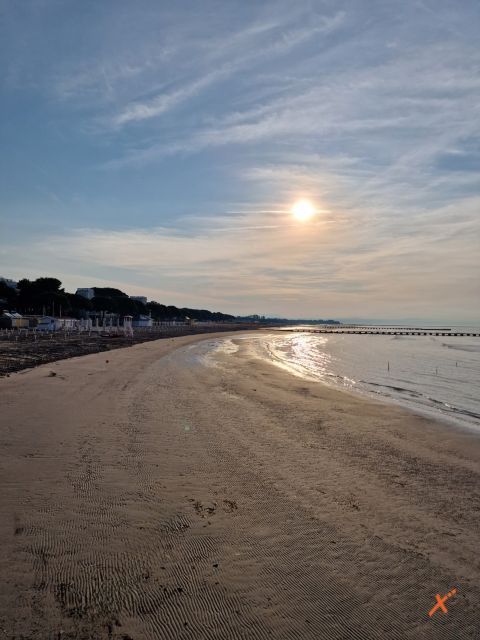
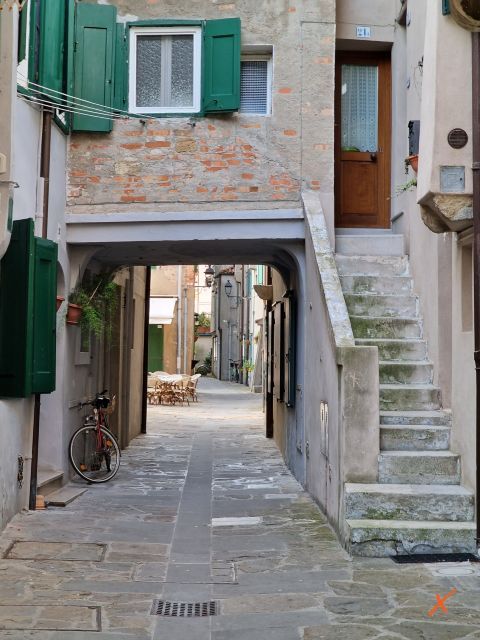
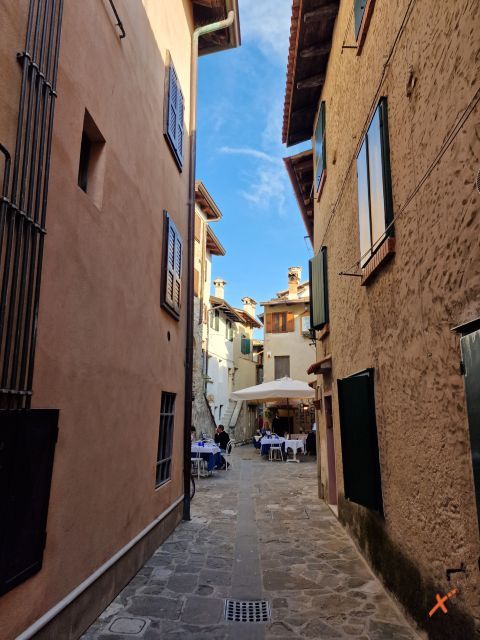
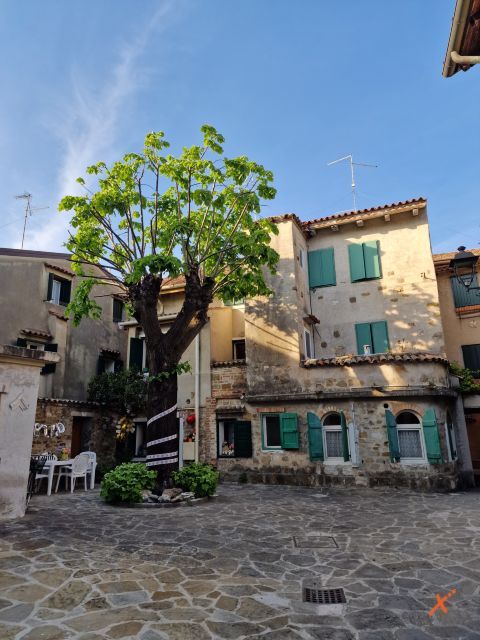
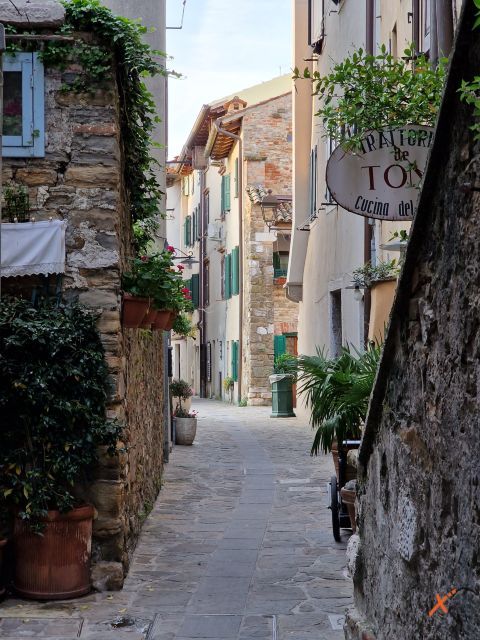
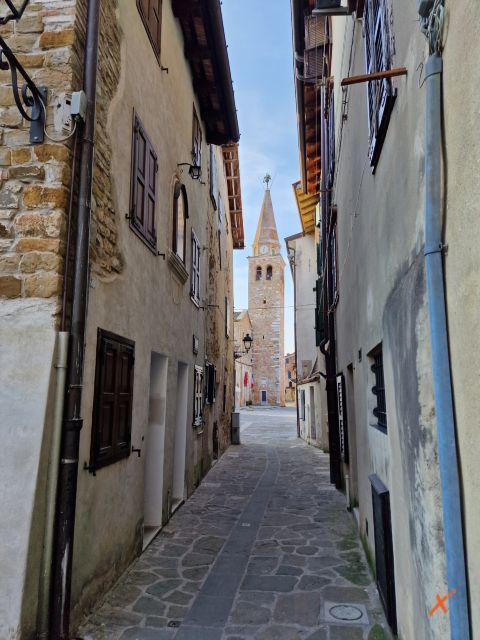
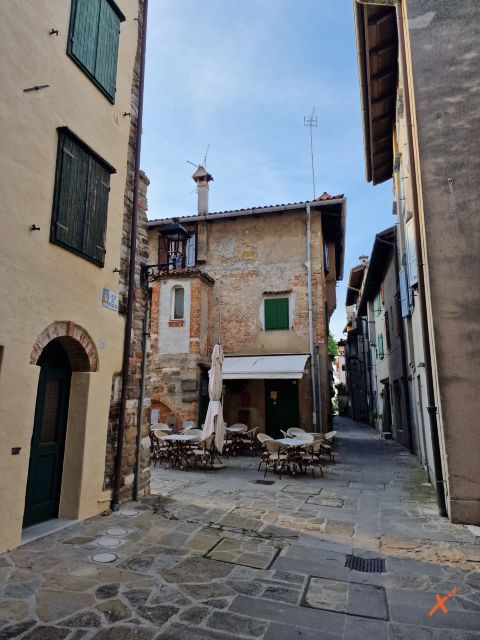
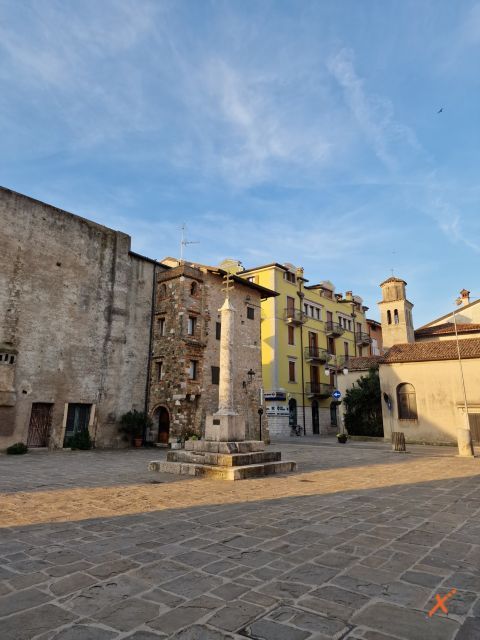
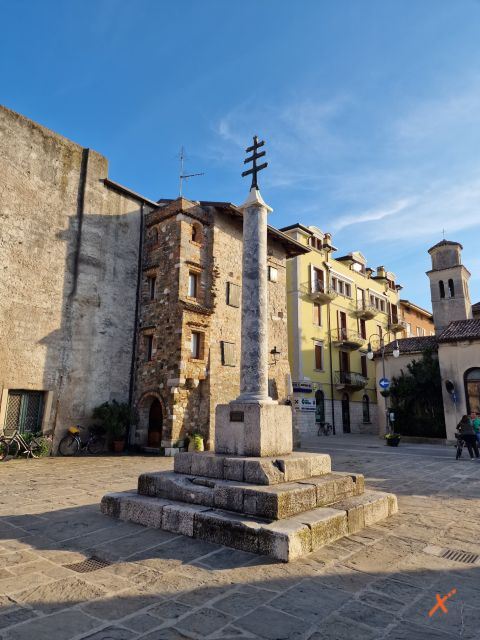
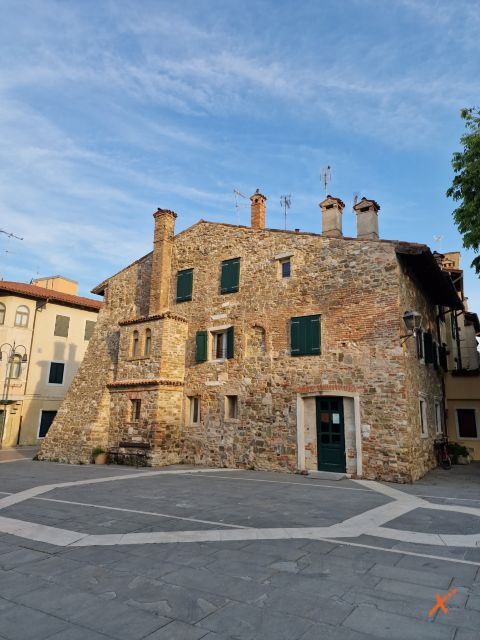
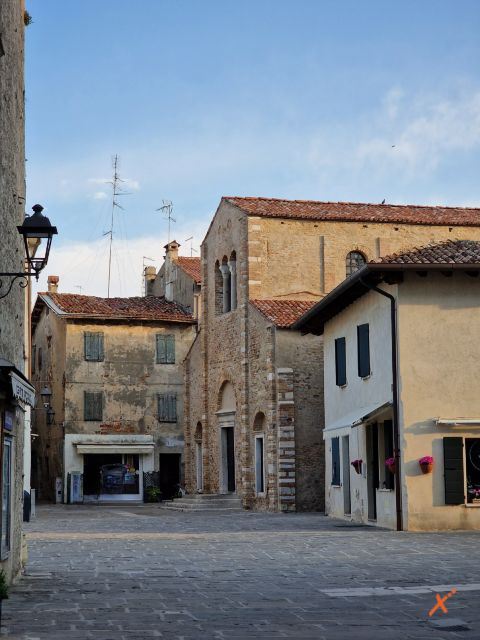
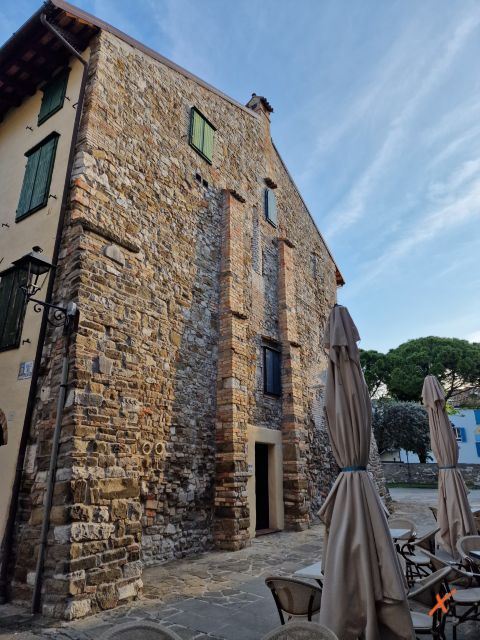
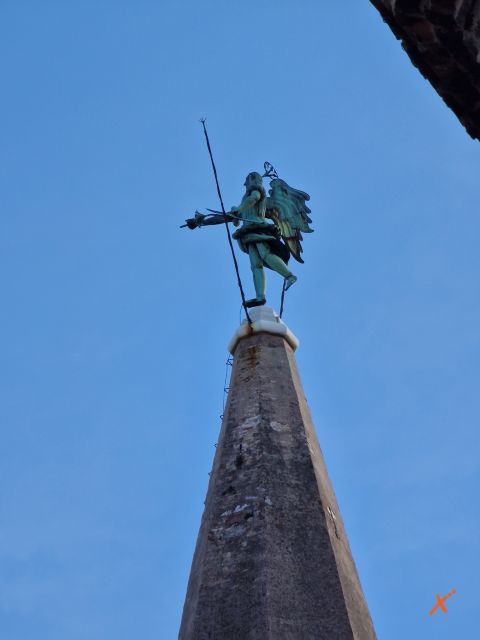
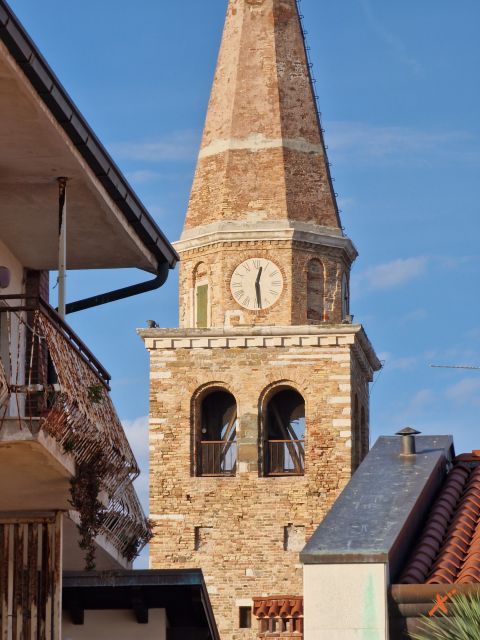
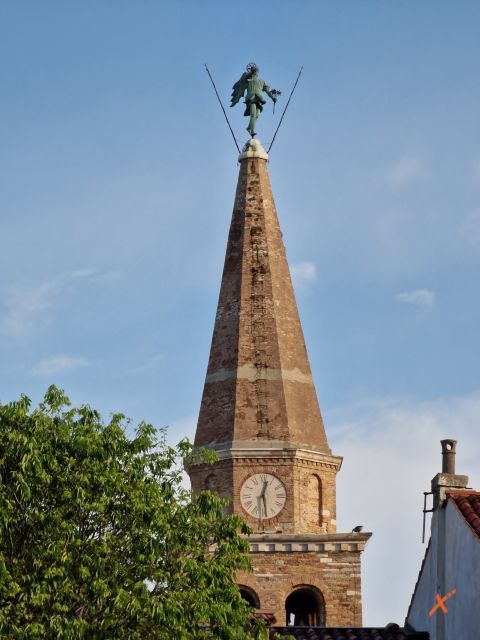
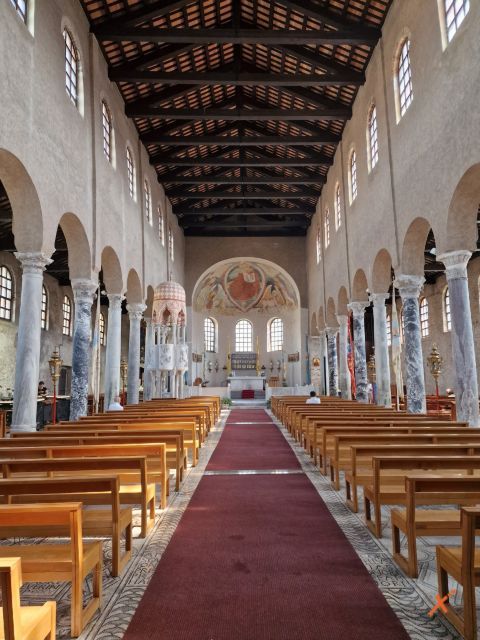
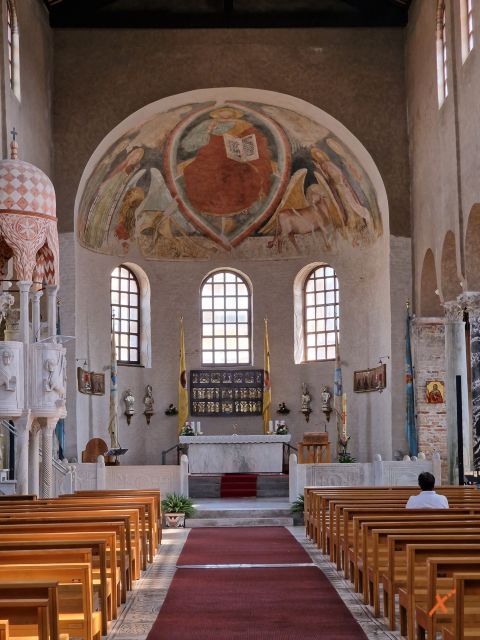
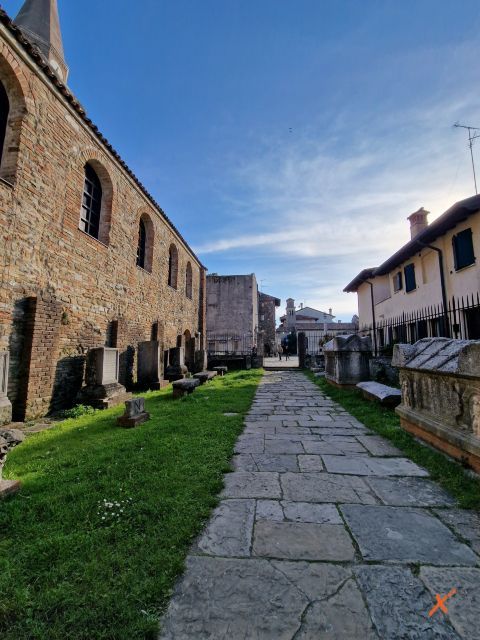
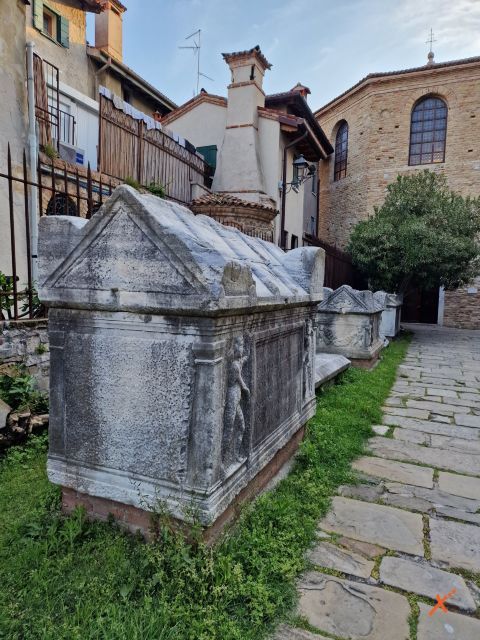
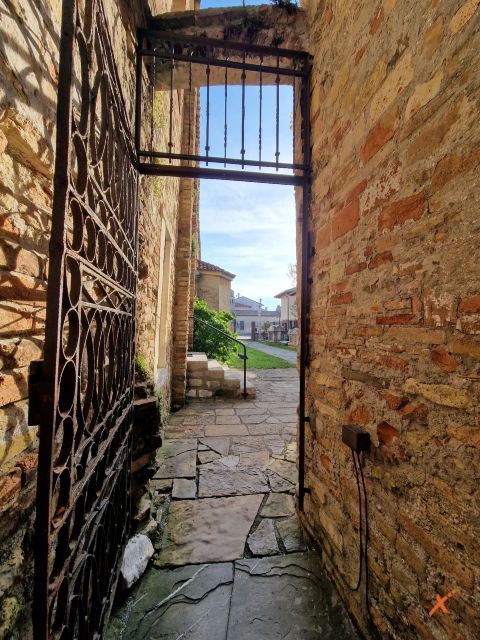
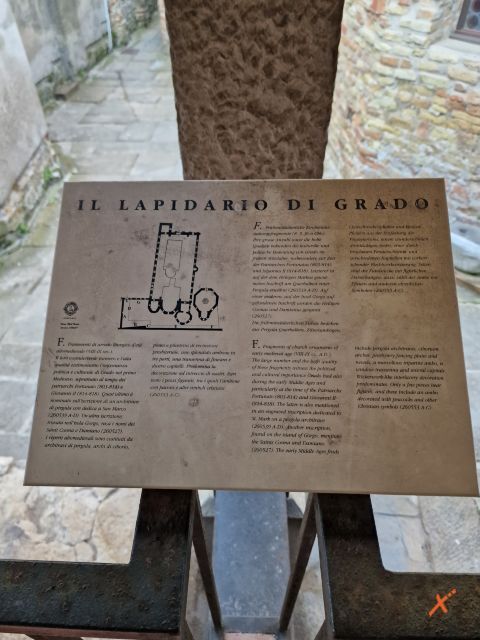
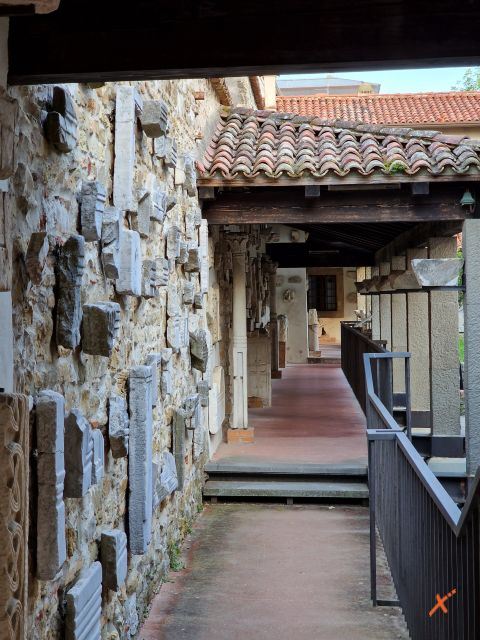
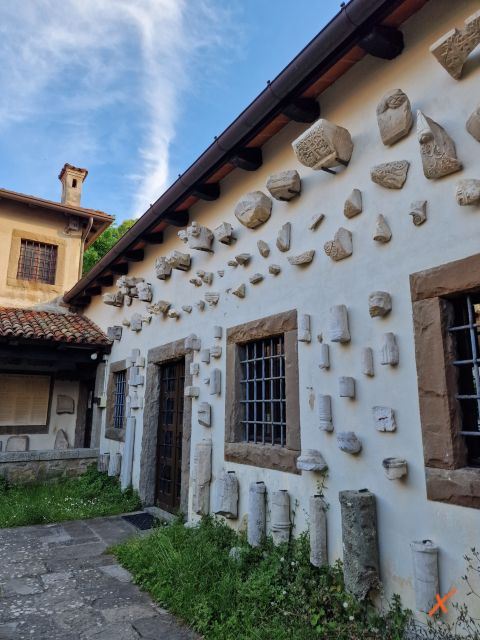
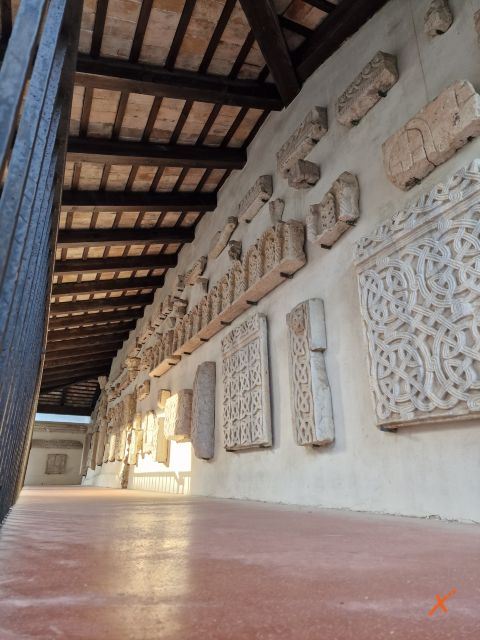
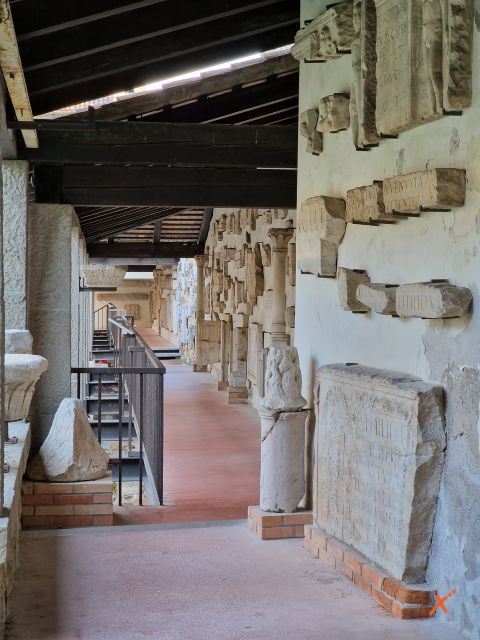
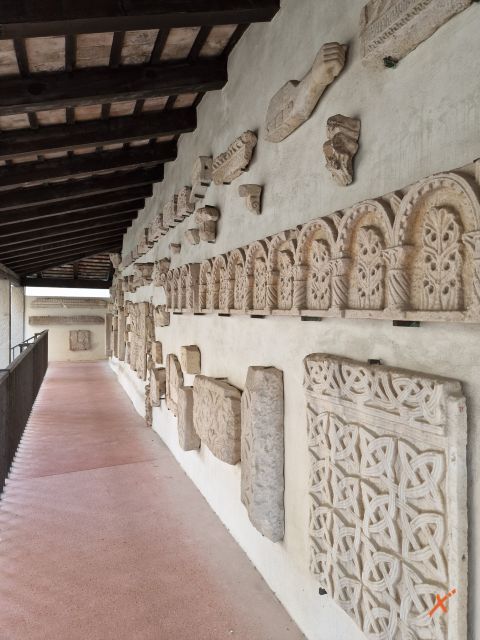
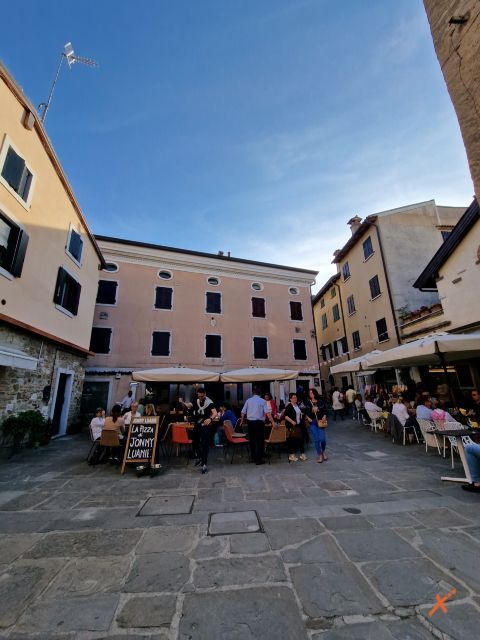
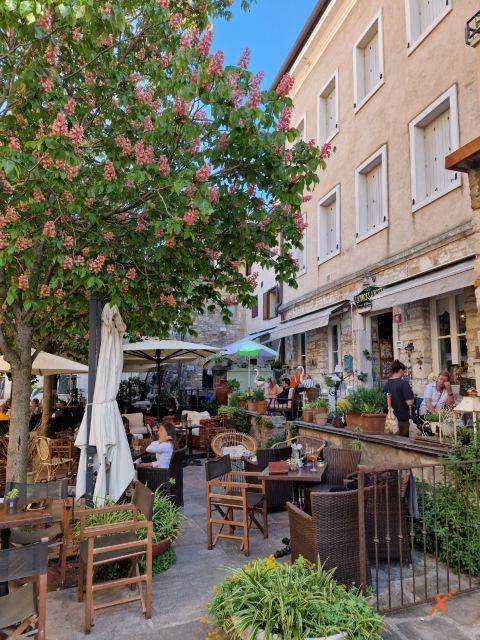

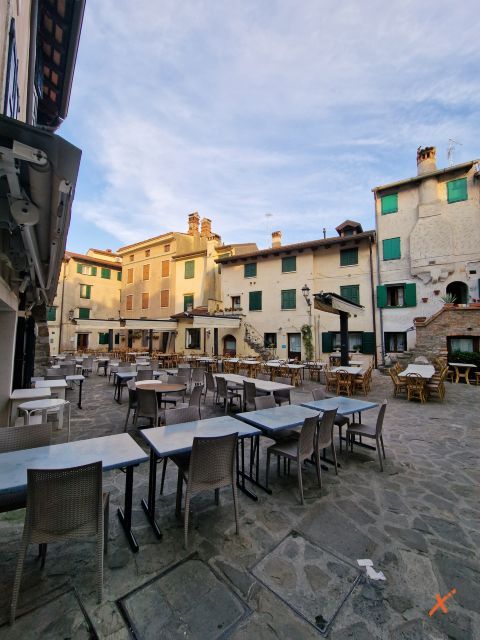
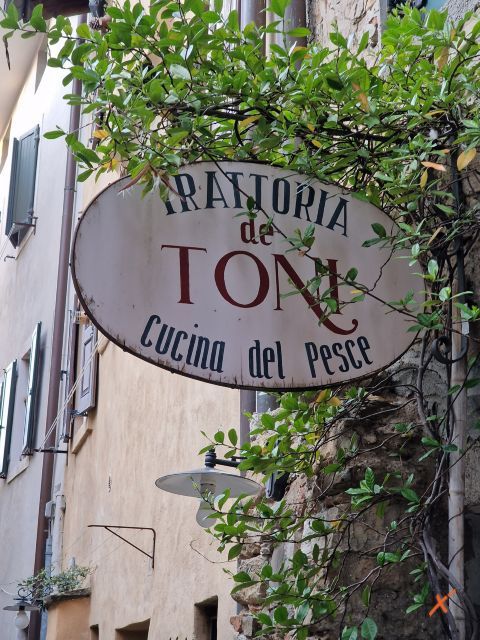
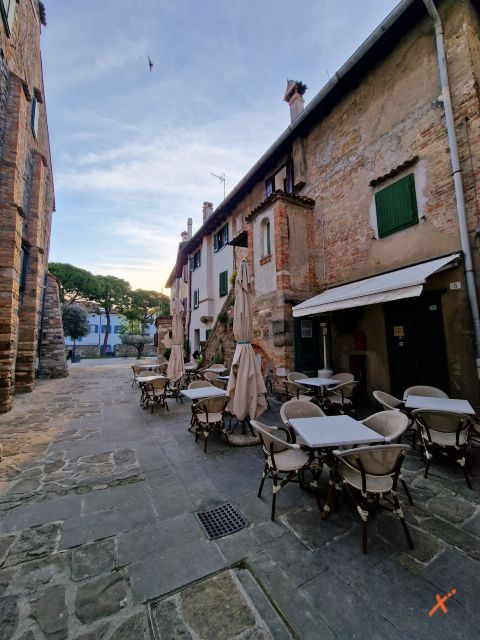
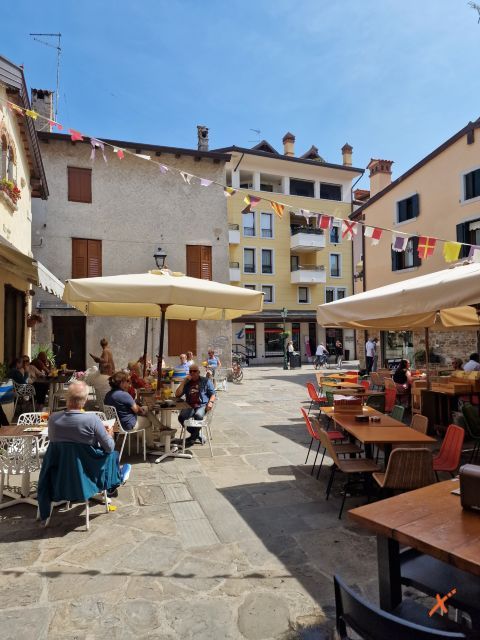
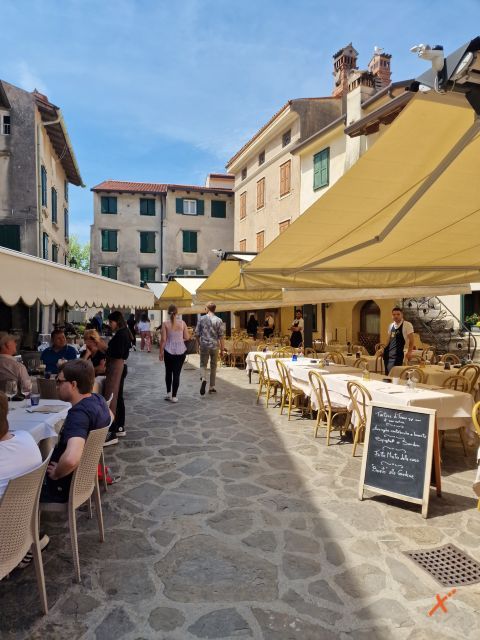
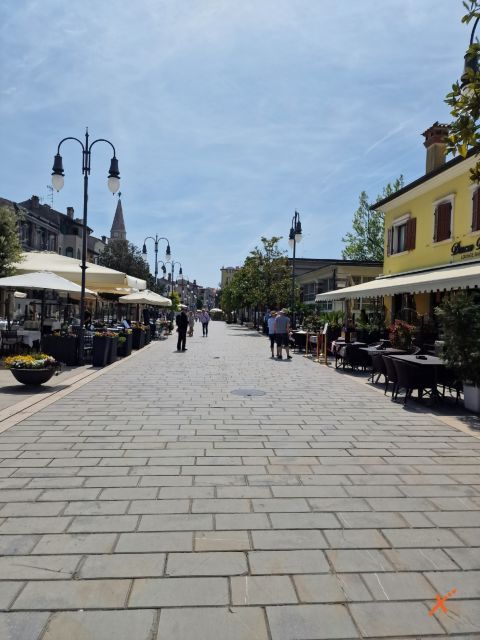
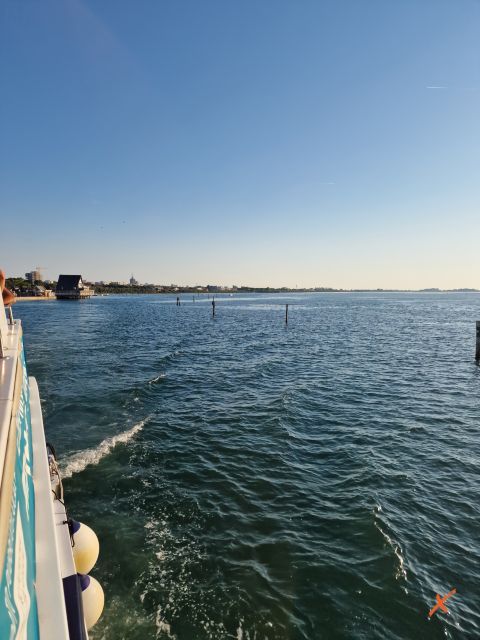


The town of Grado is located in the Northern Adriatic, within the lagoon of the same name, a natural oasis nestled between the two nature reserves of Valle Cavanata and Foce dell’Isonzo. The Island of the Sun, so named because its beaches face south and are never in the shade, is renowned for its marine spas and its thalassotherapy and heliotherapy treatments. Grado is famous not only for its natural beauty but also for its rich cultural and historical heritage. The town is, in fact, 1,600 years old and was once the seat of the Patriarchate of Aquileia. Even today, you can admire the ruins of the fortified castrum and the historic buildings, and view the archaeological excavations in the town center.
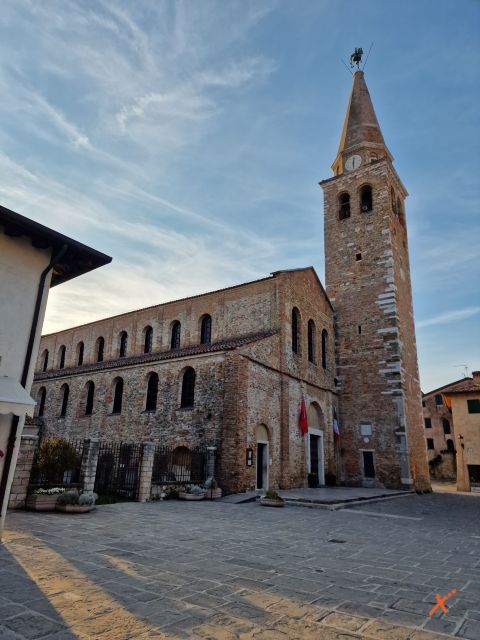
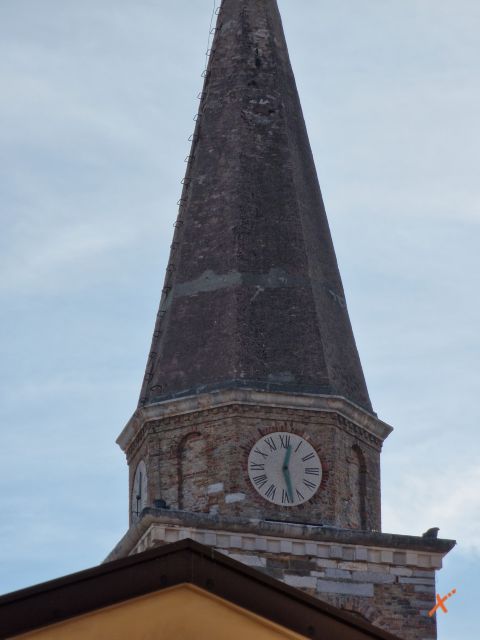
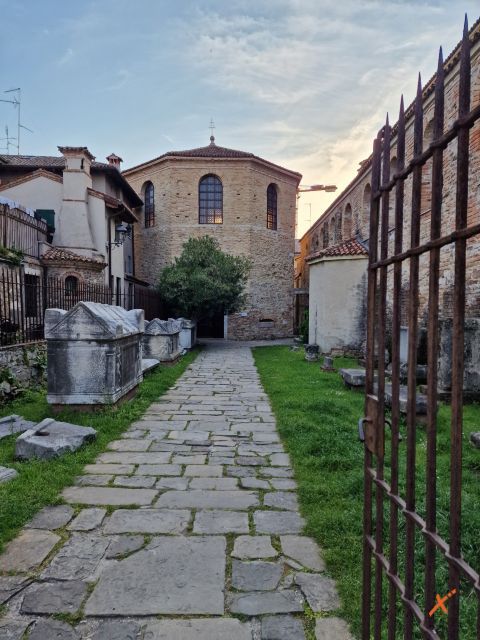
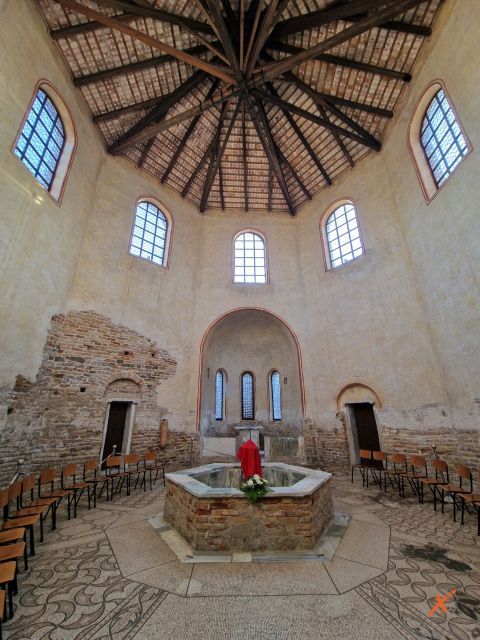
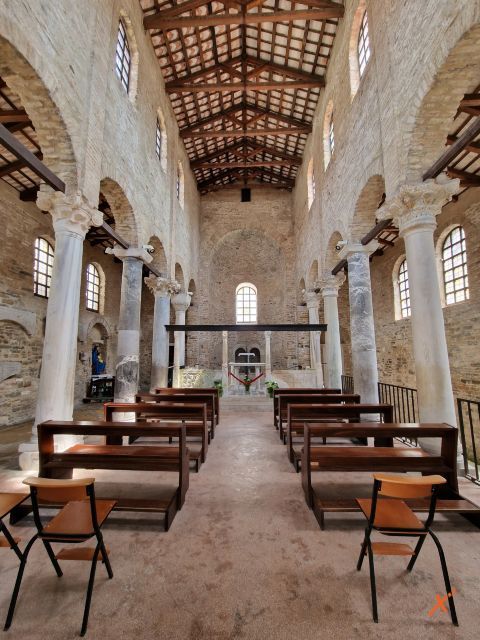
Grado Vecchia is the historic center of the city, corresponding to the ancient Roman castrum. The area is centered around Campo dei Patriarchi, where you can admire the basilicas of Santa Eufemia and Santa Maria delle Grazie. Together with the octagonal Baptistery, the two buildings are part of the tour of early Christian Grado. Just a short distance away is the public beach known as Costa Azzurra, so named for the clarity of its waters.
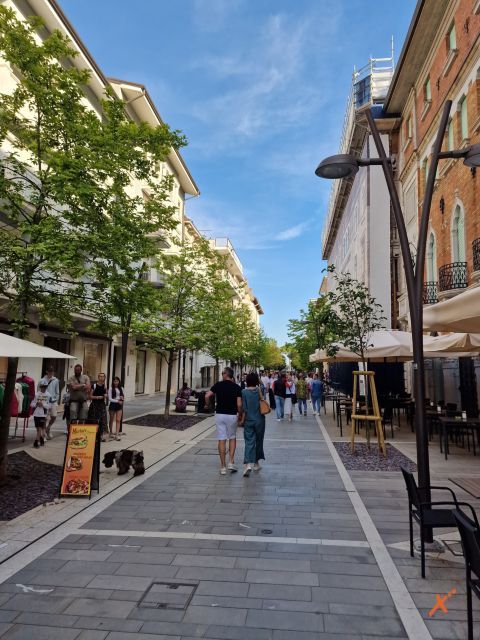
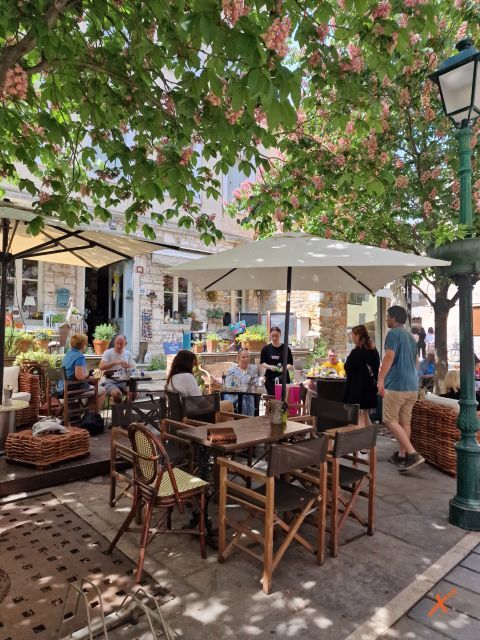
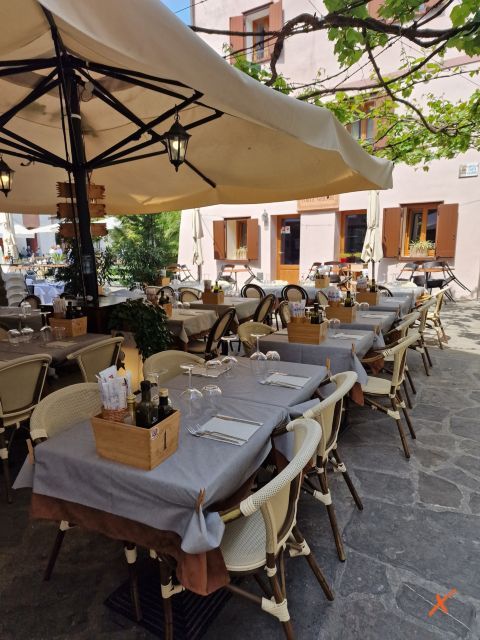
Most of the services are concentrated in downtown Grado. From the renowned seaside spas to the bars and restaurants, as well as entertainment and tourist events. A stroll through the narrow streets reveals shops and boutiques, as well as artisanal workshops and studios. The beach offers a variety of amenities, including Sissi Beach, inspired by the seaside resorts frequented by the Austro-Hungarian aristocracy in the late 19th century, and features a water park with an 85-meter saltwater pool.
Pineta is the quietest part of Grado. It is located 3.5 km from the city center, to which it is connected by a beautiful bike path that runs along the waterfront. The beach is dotted with several kiosks that organize entertainment and is a popular destination for kitesurfers.
Città Giardino is a residential neighborhood in Grado, characterized by a peaceful pine forest that stretches all the way to the beach in some places. This stretch of coastline has very shallow waters, making it safe for families with children.
Some links are affiliate links: if you book through them, we receive a small commission that helps support us, at no extra cost to you.
Some links are affiliate links: if you book through them, we receive a small commission that helps support us, at no extra cost to you.
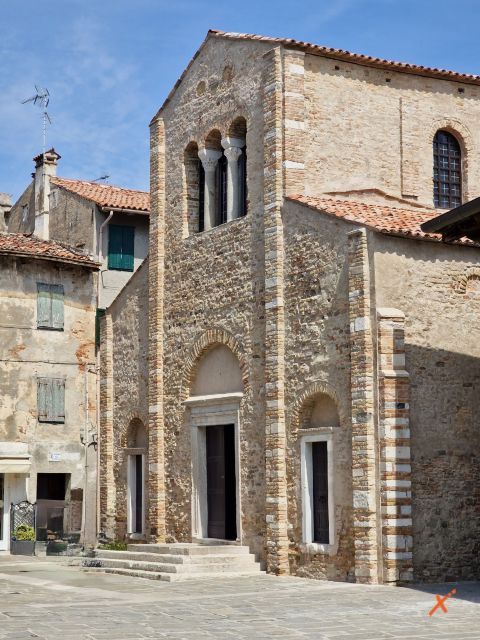
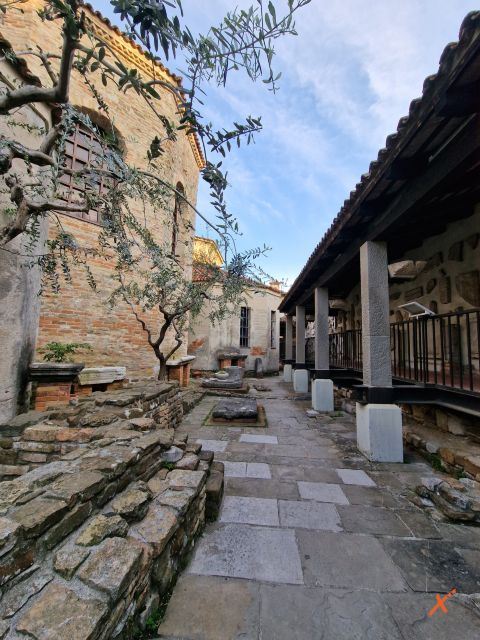
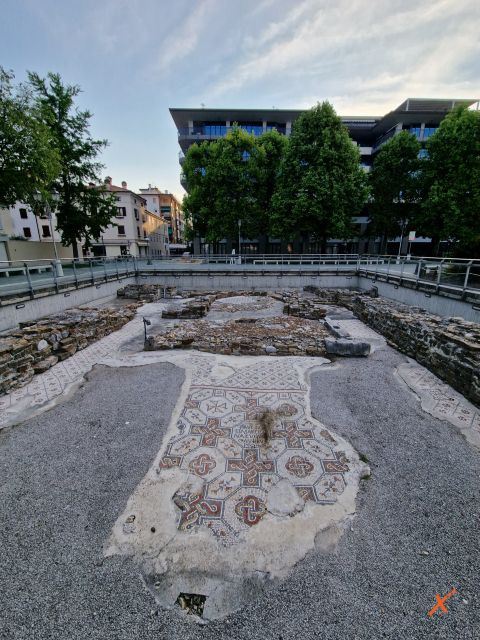
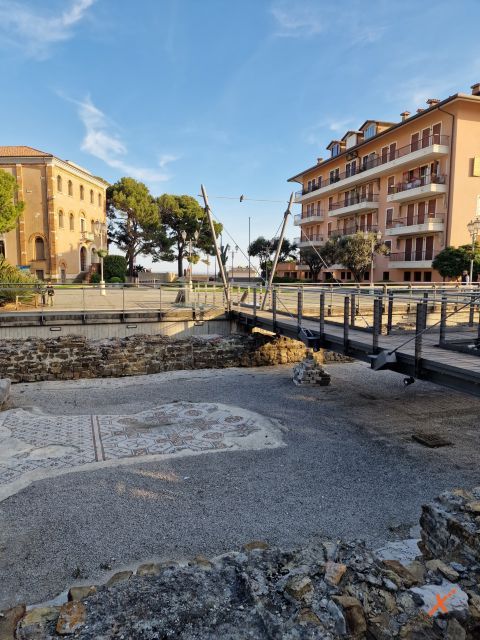
Named after the famous poet from Grado, Piazza Biagio Marin is known for the archaeological site where the remains of the Basilica della Corte, dating back to the 4th century, were unearthed. Thanks to a series of glass walkways, visitors can admire the masonry structures that once marked the perimeter of the basilica, the mosaic floor with its geometric patterns, and several sarcophagi. In the evening, the entire area is lit up, making the excavations very atmospheric.
The square is also home to the “Casa della Musica,” which was built right next to the ancient walls of the Castrum.
Some links are affiliate links: if you book through them, we receive a small commission that helps support us, at no extra cost to you.
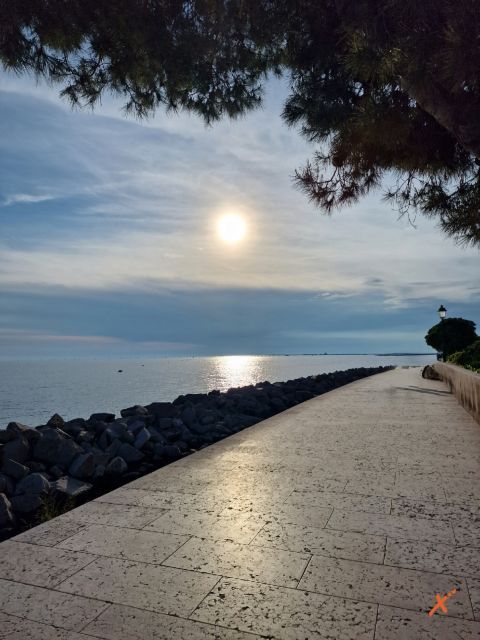
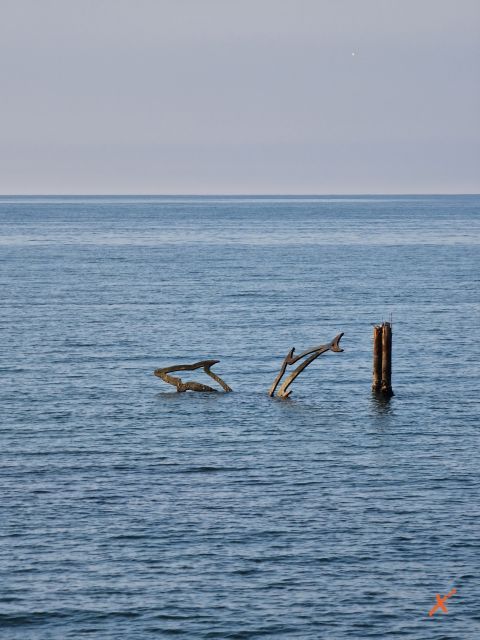
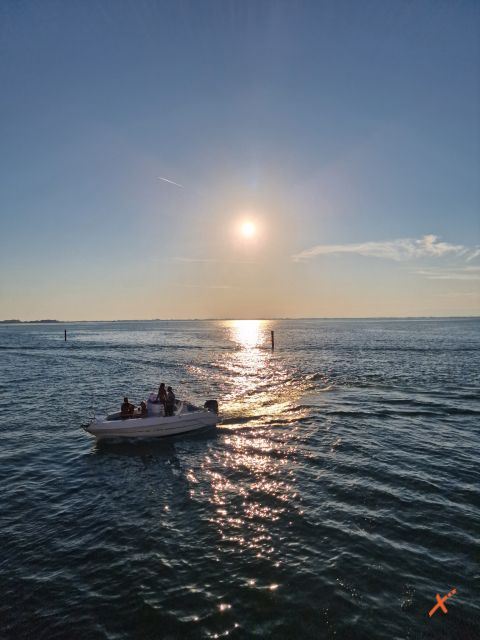
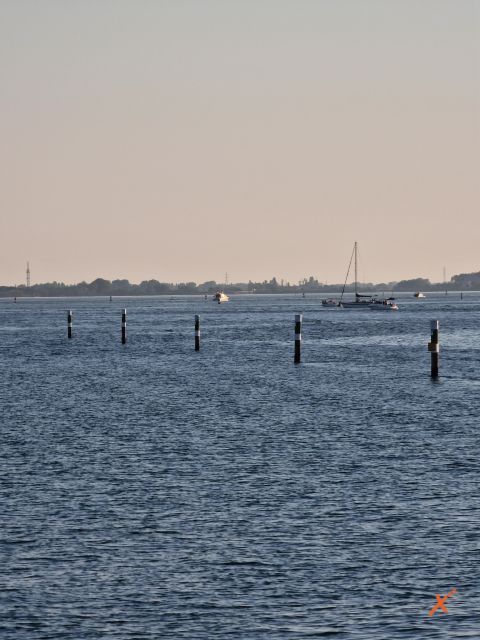
The Grado Lagoon is an unspoiled natural environment, rich in flora, fauna, and fish; an oasis of peace where the tides rise and fall rhythmically, causing the sandbars to emerge and submerge in a striking display. The lagoon covers 90 square kilometers and is separated from the Adriatic Sea by a sandbar called Banco d’Orio, which can be reached by boat and where the waters are extremely clear.
The underwater environment is fertile and teeming with life, thanks to the mixing of Adriatic seawater with the fresh water of the Isonzo River, but it holds a surprise: a multitude of early Christian archaeological finds discovered along the ancient Roman road that connected Aquileia to Grado, now submerged.
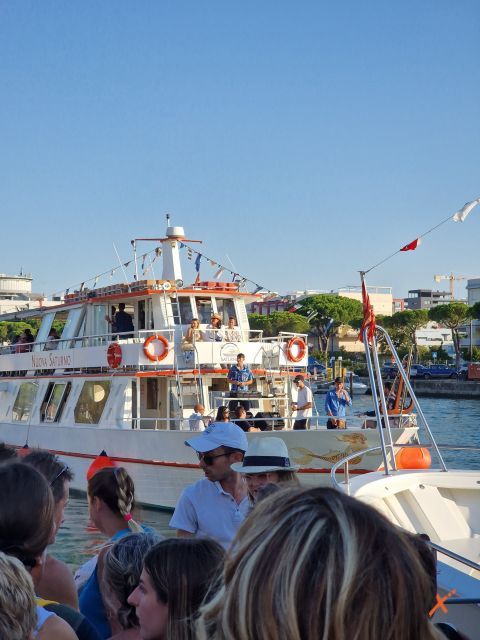
The lagoon is dotted with islands and islets that can be reached by motorboat. The classic itineraries include a lagoon tour with a stop at the casoni, a visit to Anfora Island and the village of Porto Buso, a swim in the crystal-clear waters of Banco d’Orio, and a visit to the Marian shrine on Barbana Island. There is also a regular ferry service to Barbana.
Some links are affiliate links: if you book through them, we receive a small commission that helps support us, at no extra cost to you.
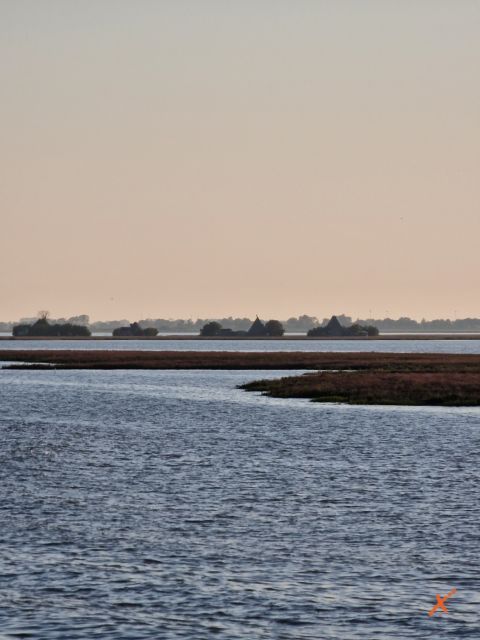
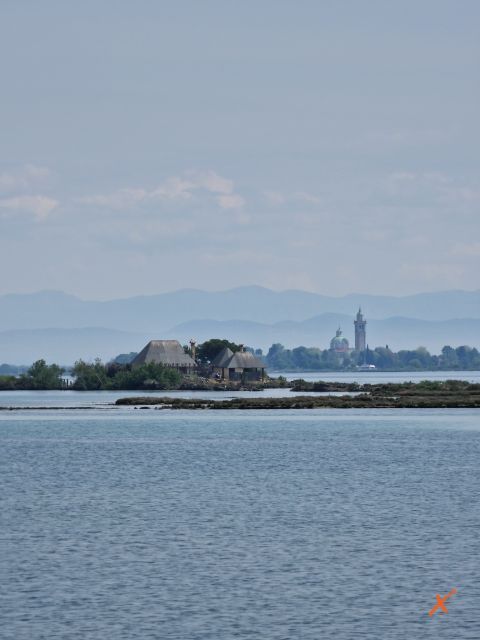
In the Grado lagoon, it is a truly picturesque sight to see the casoni with their thatched roofs on a small island. In the past, these were the traditional homes of the fishermen of Grado.
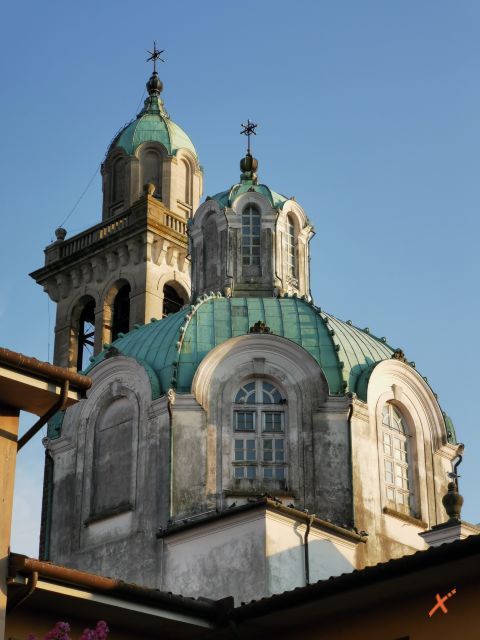
According to legend, the sanctuary of Santa Maria di Barbana was built in 582, when an image of the Virgin Mary was washed ashore. Today, the island is inhabited year-round by a community of Benedictine monks and is home to a restaurant that is open during the spring and summer. On the first Sunday in July, the island hosts the “Perdòn di Barbana,” a picturesque votive procession of boats carrying the statue of Our Lady of the Angels from the Basilica of Saint Euphemia in Grado.
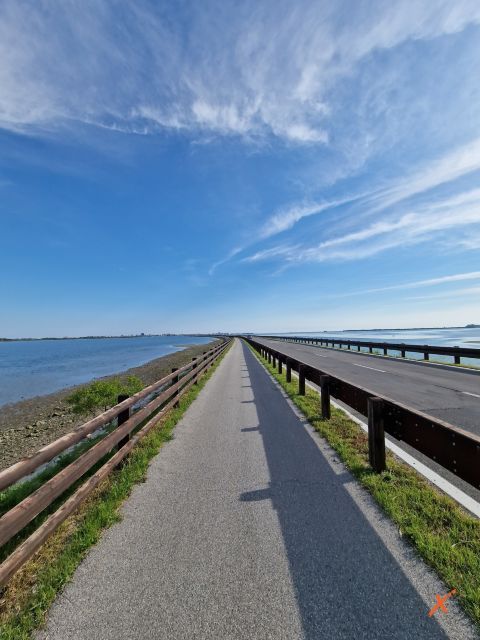
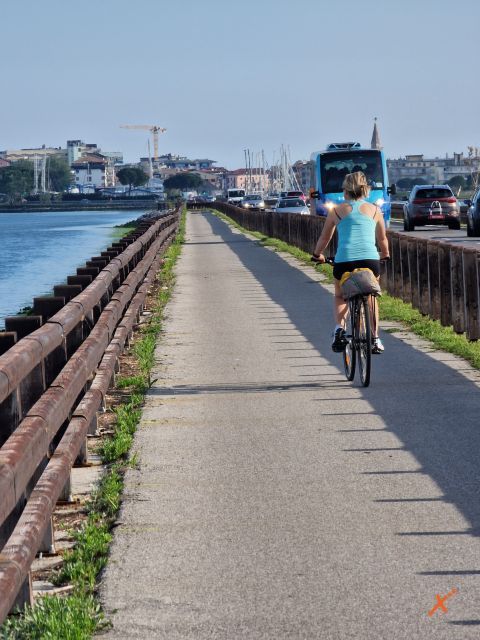
The island of Grado is connected to the mainland by the Matteotti Bridge, which is about 100 meters long. For those arriving by train at nearby Cervignano, there are frequent bus services, and several routes connect Grado with major cities. Grado can also be reached by bike via the Alpe Adria Cycle Route and is connected by ferry to Trieste, Lignano Sabbiadoro, and Aquileia.
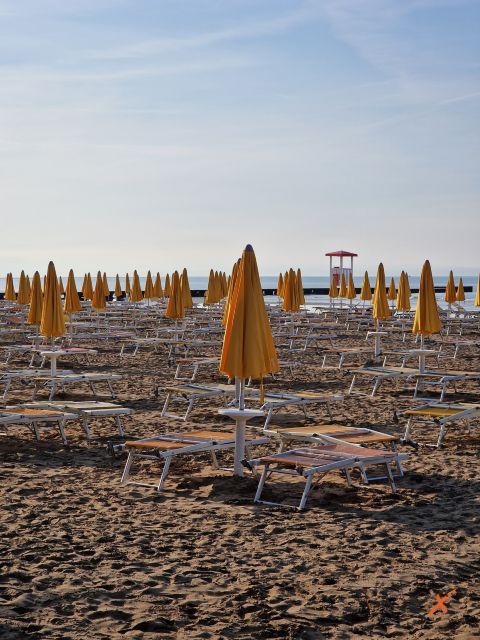
Grado has four beaches where you can rent umbrellas and lounge chairs. Three of these beaches are free to use, while the main GIT beach maintains a tradition dating back to the Austro-Hungarian Empire that requires visitors to pay an entrance fee. The €2 ticket is valid until 5:00 p.m.; after that, you can walk along the coast for free. In addition, the main beach features a water park with an 85-meter saltwater pool. Grado is pet-friendly, and there are both dog-friendly beaches and beach clubs.
Check out the latest events on Grado’s official website >
Among the countless tourist attractions, here are a few: Grado is home to the renowned Terme Marine, which offers not only a wellness and relaxation area but also advanced thalassotherapy and spa treatments; the archaeological site and the basilicas can be visited for free, but you can book a paid guide to explore the history of early Christian Grado; the city has several bike paths, including the one connecting the city center to Grado Pineta, which is the final stop on the Alpe Adria Cycle Route; there are several campgrounds, all with access to the sea.
Free: The closest parking area to Grado’s pedestrian zone is the free parking lot along the Slapater waterfront. Further away, but still free, is the parking lot at Piazzale Giusti.
Paid parking: The historic district is closed to traffic; all areas surrounding the historic district and the waterfront have paid on-street parking; there are no underground or multi-story parking garages.
Grado is not just a tourist destination; it is inhabited year-round and offers all the necessary services for its residents. The beach season runs from May 1 to September 30.
Grado hosts many events. Among the many, the following are worth mentioning: theThe arrival of the Varvuole, the sea witches who come from the lagoon, on January 5; the The Graisana Open Regatta, in June; the Perdòn di Barbana, the traditional boat procession held on the first Sunday in July to the sanctuary on Barbana Island, preceded by the Sabo Grando, the big Saturday , a village festival featuring music, dancing, and performances that go on until late at night; the Summer Carnival, in July; the Sardelada, a seafood tasting event with food stands, held on weekends between July and August; the Festa dell’Ospite, a fireworks display over the sea, on August 15; the Festival della Canzone Gradese, in October; the Vogadalonga, a non-competitive rowing event open to everyone, on the last Sunday in October.
The PromoTurismoFVG information desk is located at 16 Piazza XXVI Maggio, on the corner of 26 Portanuova.
It depends on what you’re looking for. There is a wide selection of hotels in the city center, while in Città Giardino and Grado Pineta you can also find apartments for rent.
The regular ferry service to Barbana Island departs from Riva Scaramuzza, near the bridge to Schiusa Island.
Banco d’Orio is a beach of soft golden sand located on an island that separates the lagoon from the sea. Banco d’Orio can only be reached by sea, either by private boat or by motorboat.
In the past, the casoni were the homes of the fishermen of Grado and are located on the small islands that dot the lagoon. You can reach them—and, in some cases, visit them—by taking a boat or motorboat trip.
You can contact the Grado Information Center directly through this section. Explorer FVG does not manage the responses and is not responsible for the information exchanged in these conversations.
For more information:
Grado InfoPoint
Campo Porta Nuova, 26
34073 Grado (GO)
InfoPoint Hours: Open daily
The contents of this page are protected from reproduction and copying with a digital certificate

